Urban regeneration is the process of revitalising areas that have experienced economic, social, or environmental decline.
Across the UK, towns and cities are constantly evolving, and regeneration projects aim to improve living conditions, attract investment, and create more vibrant communities.
While much attention is often placed on buildings and infrastructure, the role of landscape architecture in these initiatives is equally vital.
By designing the spaces between buildings, landscape architects contribute to creating environments that are both functional and aesthetically pleasing.
Landscape architecture is not merely about planting trees or designing parks; it encompasses the thoughtful planning of public spaces, streetscapes, and green infrastructure to enhance quality of life.
In urban regeneration, it ensures that spaces are accessible, sustainable, and supportive of community interaction.
This blog will explore the benefits, principles, examples, challenges, and future trends of landscape architecture in regenerating urban areas, highlighting why it is a crucial element in shaping liveable cities.
Understanding Urban Regeneration
Urban regeneration in the UK often focuses on areas that have been neglected or underutilised due to economic decline, industrial shifts, or population movement.
These projects aim to revitalise communities by improving housing, infrastructure, transport links, and public spaces. Successful regeneration balances economic, social, and environmental needs, ensuring that the area develops sustainably while retaining its unique character.
Drivers of urban regeneration are varied. Some are prompted by the need to address housing shortages, while others are motivated by environmental concerns such as reducing flood risk or improving air quality.
Additionally, demographic changes, such as urban population growth or the influx of young professionals, can necessitate regeneration to ensure that cities remain vibrant, functional, and inclusive for all residents.

What Landscape Architecture Brings to Regeneration Projects
Landscape architecture enhances urban regeneration by introducing green infrastructure, biodiversity, and sustainable water management.
Public parks, green corridors, and urban forests not only improve environmental resilience but also create spaces that encourage social interaction and physical activity.
These elements contribute to climate adaptation, reduce the urban heat island effect, and enhance air and water quality, demonstrating that regeneration extends beyond simply improving buildings.
Beyond environmental benefits, landscape architecture plays a critical role in economic and social revitalisation. Well-designed streetscapes and public spaces can attract businesses, increase property values, and foster a sense of community pride.
Thoughtful landscape design also improves mental and physical well-being by providing safe, accessible spaces for leisure, play, and relaxation, creating a stronger connection between residents and their surroundings.
Key Principles of Landscape Architecture in Regeneration
Successful landscape architecture integrates green spaces seamlessly into urban layouts.
This includes designing parks, plazas, and pedestrian pathways that complement surrounding buildings while providing multifunctional spaces for recreation, commuting, and social interaction.
Preserving local cultural and historical identity is also important, ensuring that new developments respect the character and heritage of the area.
Inclusivity and accessibility are central to effective landscape design. Public spaces should be welcoming to people of all ages and abilities, incorporating features such as wheelchair-accessible paths, seating areas, and safe lighting.
Additionally, designers must balance aesthetic appeal with function, selecting durable materials, sustainable planting, and climate-adaptive solutions that will endure for years to come.
Examples of Successful Landscape-Led Urban Regeneration
The King’s Cross redevelopment in London provides a prime example of landscape architecture’s transformative impact. Once an industrial wasteland, the area now features extensive public spaces, pedestrian-friendly streets, and integrated green corridors.
Similarly, Sheffield’s Peace Gardens demonstrate how thoughtful landscape design can revitalise central urban areas, offering recreational spaces and community gathering points while enhancing the city’s visual appeal.
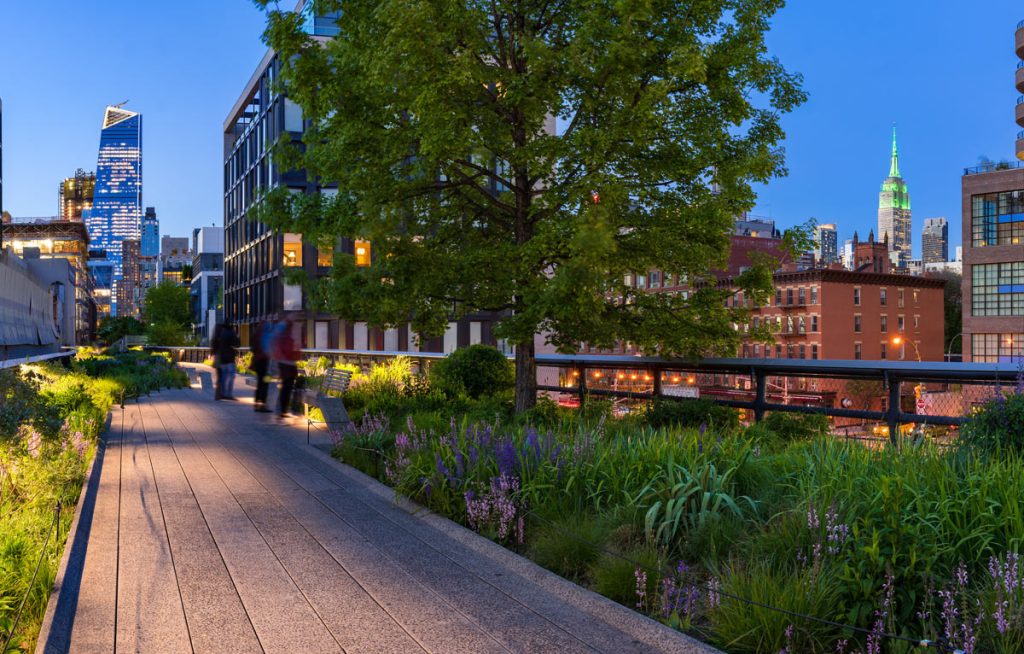
Internationally, projects such as New York’s High Line illustrate the potential of landscape-led regeneration. An abandoned railway line was transformed into a linear park, boosting tourism, local business, and community engagement.
These examples show that integrating landscape architecture into regeneration projects not only improves environmental outcomes but also creates social and economic benefits that endure over time.

Challenges and Considerations
One of the main challenges in incorporating landscape architecture into urban regeneration is balancing development pressures with the need to preserve green space.
In densely populated cities, land is often at a premium, and it can be tempting to prioritise buildings over parks and public areas. However, neglecting landscape elements can undermine the long-term success of a regeneration project by reducing liveability and environmental quality.
Funding and maintenance are also significant considerations. While initial design and construction can be costly, long-term upkeep is essential to ensure spaces remain functional and attractive.
Community engagement is critical to addressing these challenges; involving residents in the planning and design process helps ensure that spaces meet real needs and fosters a sense of ownership that encourages care and respect.
The Future of Landscape Architecture in Regeneration
Emerging trends in landscape architecture are shaping the future of urban regeneration.
Nature-based solutions, urban rewilding, and climate-adaptive design are becoming increasingly common, helping cities respond to environmental challenges while improving residents’ quality of life.
Technology, including 3D modelling and virtual reality, is also enhancing the ability to plan and visualise projects, enabling better decision-making and stakeholder engagement.
Policy support is another key factor in the future of landscape-led regeneration. Government initiatives that prioritise sustainable development, green infrastructure, and community engagement provide frameworks for delivering high-quality public spaces.
As cities continue to grow and evolve, landscape architecture will remain central to creating resilient, liveable, and inclusive urban environments that meet the needs of present and future generations.
Conclusion
Landscape architecture is an essential element of urban regeneration, shaping spaces that are sustainable, functional, and visually appealing.
It goes beyond beautification, influencing social cohesion, economic vitality, and environmental resilience.
By integrating green infrastructure, prioritising accessibility, and respecting local character, landscape architects ensure that regeneration projects deliver long-term benefits for communities.
Successful regeneration requires more than new buildings—it demands thoughtful planning of the spaces in between, demonstrating that landscape architecture is fundamental to creating cities that thrive.