Architecture is a discipline that shapes the spaces in which we live, work, and interact. Whether in bustling cities or tranquil countryside, the environment in which a building is situated plays a crucial role in determining its design, functionality, and impact.
Urban and rural architecture, while sharing common principles, present distinctly different challenges that require architects to adapt their approach.
Understanding these differences is essential for creating structures that are both practical and harmonious with their surroundings.
This blog aims to explore the key contrasts between urban and rural architecture, focusing on the unique considerations and obstacles architects encounter in each setting.
By examining these differences, we can gain a deeper appreciation of how context influences architectural decisions.
From planning regulations and environmental concerns to community engagement and material choices, the setting of a project fundamentally shapes the architect’s role and responsibilities.
Defining Urban Architecture
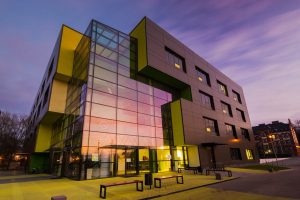
Urban architecture refers to the design of buildings and spaces within densely populated cities or towns.
These environments are characterised by limited land availability, high population density, and extensive infrastructure networks.
Architects working in urban settings must carefully consider factors such as efficient space utilisation, building height restrictions, and the integration of modern technologies.
Urban projects often demand innovative solutions to accommodate large numbers of people while maintaining comfort, accessibility, and visual appeal.
Challenges in urban architecture are numerous and varied. Planning regulations can be complex, often involving multiple authorities and strict zoning laws.
Architects must also contend with noise pollution, traffic congestion, and the impact of surrounding buildings on light and airflow. Additionally, creating sustainable and energy-efficient designs in areas with limited space requires careful planning and creative problem-solving.
Despite these difficulties, urban architecture offers opportunities for striking designs that make a lasting impression in highly visible locations.
Defining Rural Architecture
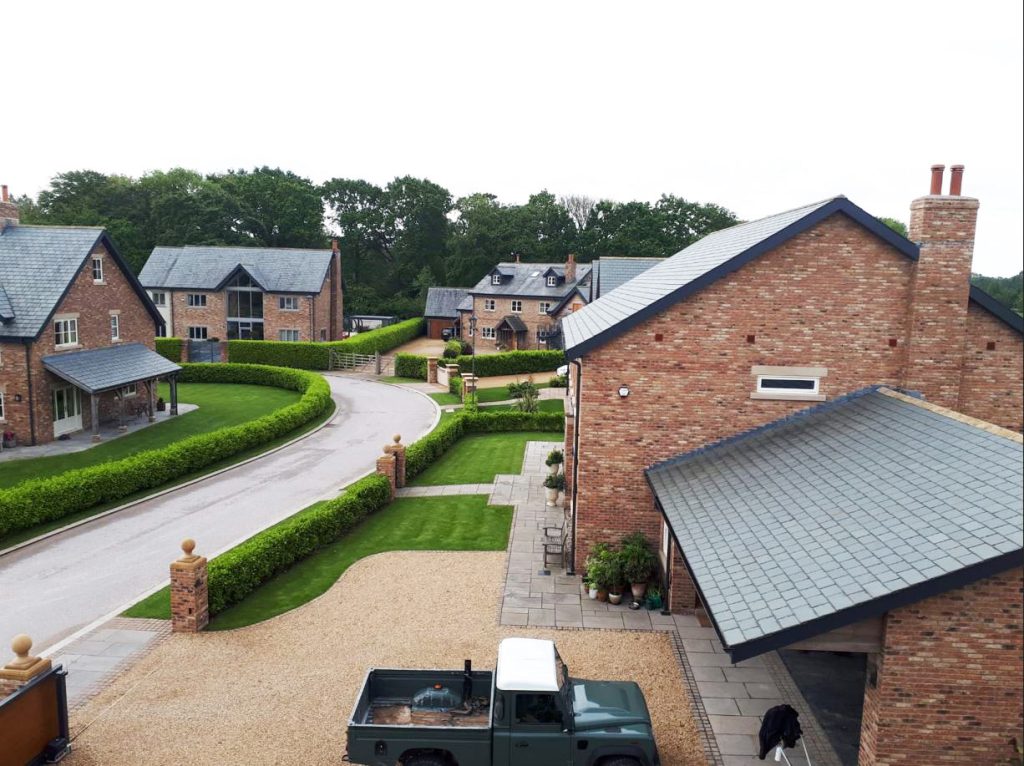
Rural architecture encompasses buildings and structures situated in the countryside or low-density areas, where open spaces and natural landscapes dominate.
In these environments, the focus is often on harmonising structures with their surroundings, preserving local heritage, and ensuring accessibility despite limited infrastructure.
Architects designing in rural settings may prioritise traditional materials, energy efficiency, and designs that complement rather than disrupt the natural scenery.
The aesthetic integration of buildings into the landscape is often as important as their functionality.
However, rural architecture presents its own set of challenges. Material sourcing can be more difficult due to transportation limitations, and construction may be affected by local climate conditions or uneven terrain.
Community preferences can strongly influence design choices, as rural populations often value tradition and cultural continuity. Architects must navigate these sensitivities carefully, balancing innovation with respect for the environment and local heritage. The goal is to create buildings that are both practical and contextually appropriate.

Key Differences Between Urban and Rural Architecture
One of the most significant differences between urban and rural architecture is the availability of space. In cities, architects must maximise limited plots, often working vertically or designing multifunctional structures.
In contrast, rural areas provide more freedom in terms of land use, allowing for sprawling layouts and larger gardens or recreational areas. These spatial considerations influence everything from building orientation to the choice of materials and construction techniques.
Another key difference lies in regulatory and environmental considerations. Urban projects are subject to strict planning rules, building codes, and sustainability requirements due to the high density of people and resources.
Rural projects, while often facing fewer regulations, must account for environmental impact, heritage conservation, and community acceptance.
Additionally, urban architects must contend with issues such as traffic, public transport integration, and energy efficiency in a confined space, whereas rural architects focus on blending with natural surroundings and ensuring accessibility despite remoteness.
Skills and Adaptability Required for Architects
Architects working across both urban and rural environments require versatility and a deep understanding of context-sensitive design. They must be able to tailor their approach to the specific challenges and opportunities presented by each setting.
This involves not only technical knowledge of construction methods and materials but also the ability to read and respond to social, environmental, and cultural factors that influence a project’s success.
Adaptability is also essential when navigating the differing demands of regulations, climates, and community expectations. Collaboration with engineers, planners, and local authorities is crucial to ensure projects are feasible, sustainable, and well-received.
Architects who can successfully operate in both urban and rural contexts demonstrate a comprehensive skill set that allows them to create buildings which are functional, aesthetically pleasing, and contextually appropriate, regardless of the environment.
Conclusion
Urban and rural architecture each come with its own distinct challenges and considerations.
From dense city streets to open countryside, the environment shapes design decisions, construction methods, and community engagement strategies.
By recognising these differences, architects can approach each project with the insight needed to create spaces that are both practical and harmonious.
Ultimately, the ability to navigate the complexities of both urban and rural settings is a testament to an architect’s skill and adaptability.
Whether maximising limited urban plots or integrating buildings into natural landscapes, architects must balance functionality, aesthetics, and sustainability.
Embracing the unique demands of each environment not only enhances professional expertise but also ensures the creation of structures that enrich the spaces in which we live.