Most people go to an architect with a vague idea that’s still taking shape. It might be a rough sketch on the back of an envelope, a handful of photos saved on their phone, or a general feeling that they need more space and light.
But that’s completely normal – an architect’s not there to swoop in with a pre-packaged solution, but to help tease out what’s driving the idea in the first place.
Those early conversations tend to focus less on what the building looks like and more on how it works in real life. How people will use the space day in day out, what they hate about the current layout and what they hope will feel different once it’s all sorted out.
These kinds of details can actually suggest some really interesting design directions that the client might not have considered before. But they’re still connected to the original idea, rather than just some hastily drawn up concept.
Taking Muddled Thoughts and Turning Them into Early Ideas
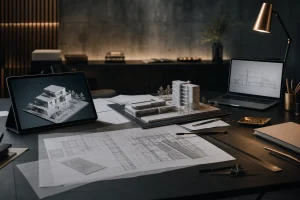
Once the priorities start to come through, architects start putting together simple sketches and rough ideas to get a feel for what the building could look like.
And at this point, it’s not about getting everything perfect, it’s more about exploring different options and seeing what sticks.
You’ll often see several ideas developed at the same time, each responding to the same brief in slightly different ways. And that’s on purpose; it’s a way to keep things loose and flexible, so we can question our assumptions and try different approaches without anyone getting locked in.
A layout that looks great at first glance might have some practical issues that need sorting out, while a less obvious option might actually be a better fit for how the space is used.
Putting Ideas to the Test Against Real-World Problems
As the ideas start to take shape, reality starts to kick in. Planning laws, site boundaries, neighbours and access issues all start to influence what is actually possible. That idea that looked great on paper might need some adjustments once these factors come into play. And it’s not about compromising for the sake of it, it’s about avoiding problems down the line.
Budget is also a big factor – architects often test ideas against rough build costs early on, even if theyre only rough estimates.
If a design is going to be way too expensive, we can usually rework it before we’ve invested too much time.
And of course, building regulations and construction logic come into play too, making sure that what we design is not only safe and legal but also makes sense in the real world.
Sharpening Up the Design Through Collaboration
Design development is rarely a solo effort. Clients are heavily involved throughout, reviewing proposals and giving feedback as the design evolves.
Architects will often challenge certain preferences – not to tell people what they want is wrong, but to make sure that what they want actually supports the project as a whole.
This back-and-forth often leads to clearer decisions and a more solid brief.
Other professionals come in at this stage too – engineers will weigh in on things like structure and energy performance, while surveyors will highlight any site or boundary issues that need sorting out.
Their input can sometimes reveal new opportunities – rather than being a hassle, these adjustments can actually make the design more robust and long-lived.
Moving From Idea to Detailed Design
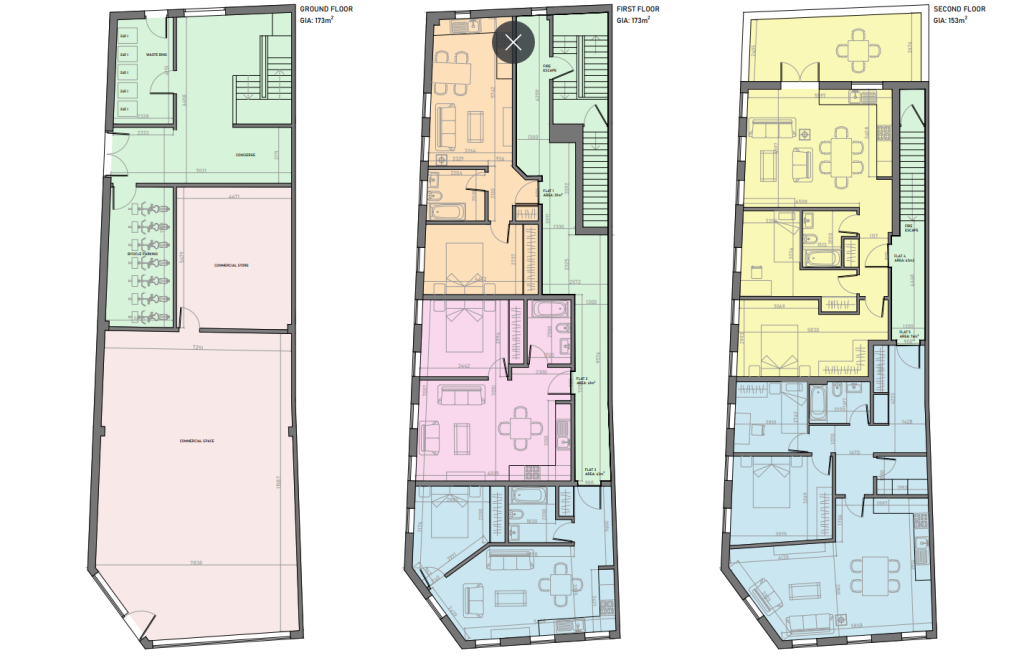
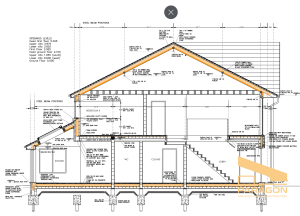
Once we’ve got a general direction in place, the focus shifts to getting the details right. Drawings become more precise, with dimensions, materials, and structural info all added in.
This is where creativity gives way to clarity – builders need to be able to rely on the information we provide, not just get vague suggestions.
Architects start sorting out how all the different bits of the building fit together – wall thickness, roof junctions and openings get a lot of attention, to avoid any problems on site.
While this stage isn’t as visible to the client, it has a huge impact on the quality and durability of the finished building.
Preparing a Design for Approval and Construction
When the technical design is in place, we put together drawings that will help get planning permission and building control approvals in place.
These need to be crystal clear, consistent and compliant with all the relevant regulations.
At the same time, we coordinate all the info needed to let contractors price and build accurately – the fewer ambiguities we can create, the fewer disputes and unexpected costs we’ll see during construction.
A genuinely buildable design tends to make life a lot easier for everyone involved.
Why the Process Matters More Than the First Idea
Lots of finished projects end up looking different from the initial idea that set them off. But that’s rarely a failure – it usually just means weve got a deeper understanding of the site, the brief and all the constraints that shape a good building.
The original intention often turns up intact, even if the looks and layout have changed.
Architects aren’t about sudden flashes of inspiration and magic solutions; it’s about careful, painstaking refinement.
By letting ideas get tested, questioned and improved, we can turn vague thoughts into buildings that actually work in practice.
The process may take longer than people expect, but it’s what separates a design that just looks okay on paper from one that actually works in real life.