For centuries, architecture has wrestled with the question of whether buildings should prioritise beauty or practicality. From grand cathedrals that inspire awe to modest homes that must support everyday life, the balance between form and function has always shaped the built environment.
Striking the right equilibrium ensures that a structure is not only pleasing to the eye but also genuinely serves the needs of its users.
In today’s world, this balancing act is more relevant than ever. Buildings must be energy-efficient, cost-effective, and sustainable, while also reflecting modern tastes and lifestyles. Architects face the challenge of uniting these requirements into spaces that people enjoy living, working, and interacting within.
Ultimately, great architecture is defined by its ability to blend aesthetic appeal with functional performance.
The Dual Role of Architecture
Architecture sits uniquely between the creative arts and the applied sciences. On the one hand, it involves imaginative vision, artistry, and cultural expression. On the other, it requires technical skill, engineering knowledge, and adherence to regulations.
An architect must hold both roles simultaneously, ensuring that every design solution satisfies aesthetic expectations while working flawlessly in practice.
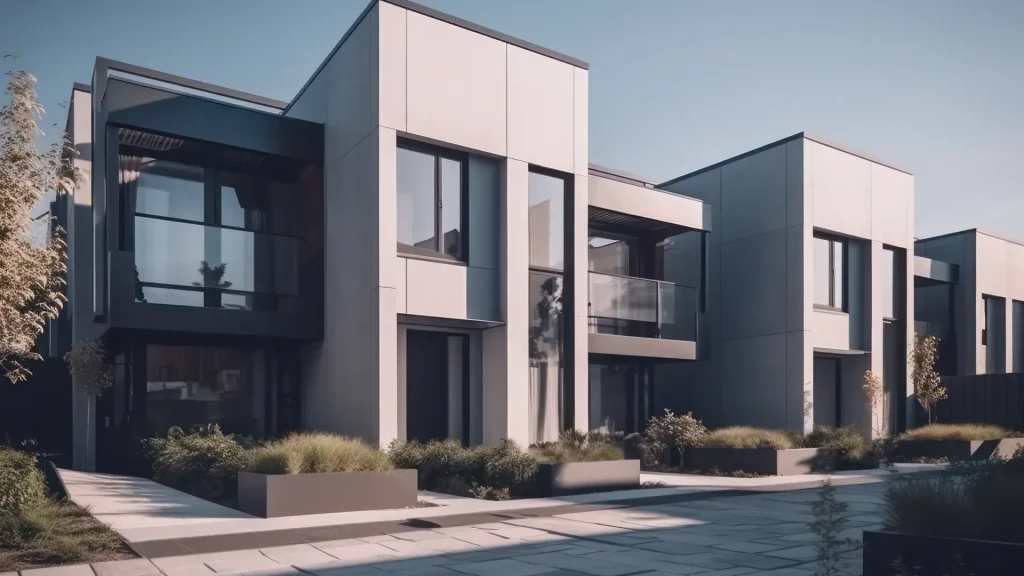
Consider a bold glass façade: to some, it represents elegance and openness, but to the architect, it is also a question of insulation, glare control, and energy efficiency.
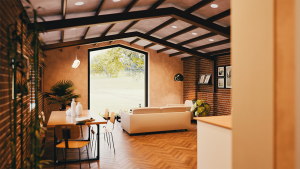
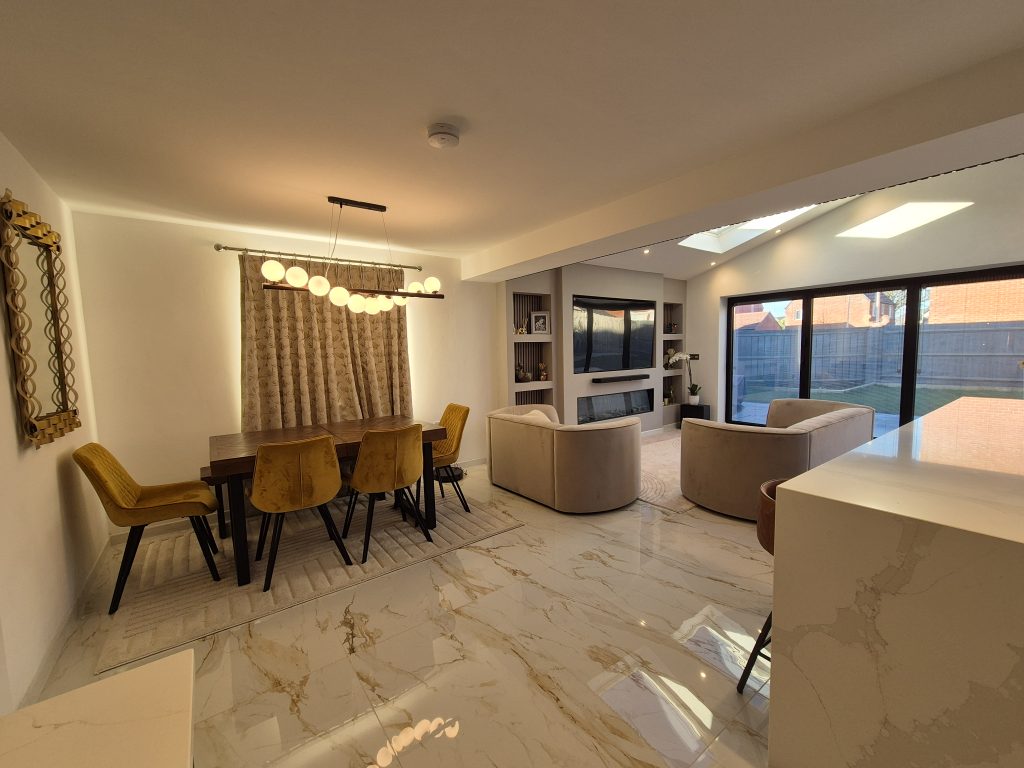
Similarly, an open-plan living room may look sleek in a magazine but needs to account for sound control, storage, and daily wear. These examples demonstrate that architectural beauty is never skin deep; it is underpinned by practical considerations.
Understanding the Client’s Needs
Every project begins with the client, and understanding their aspirations is at the heart of finding the balance between aesthetics and functionality. Some clients prioritise visual impact, dreaming of a house that stands out on their street.
Others may be more concerned with practical details, such as durability, ease of maintenance, or energy bills. The architect’s role is to interpret these needs and weave them together into a coherent design.
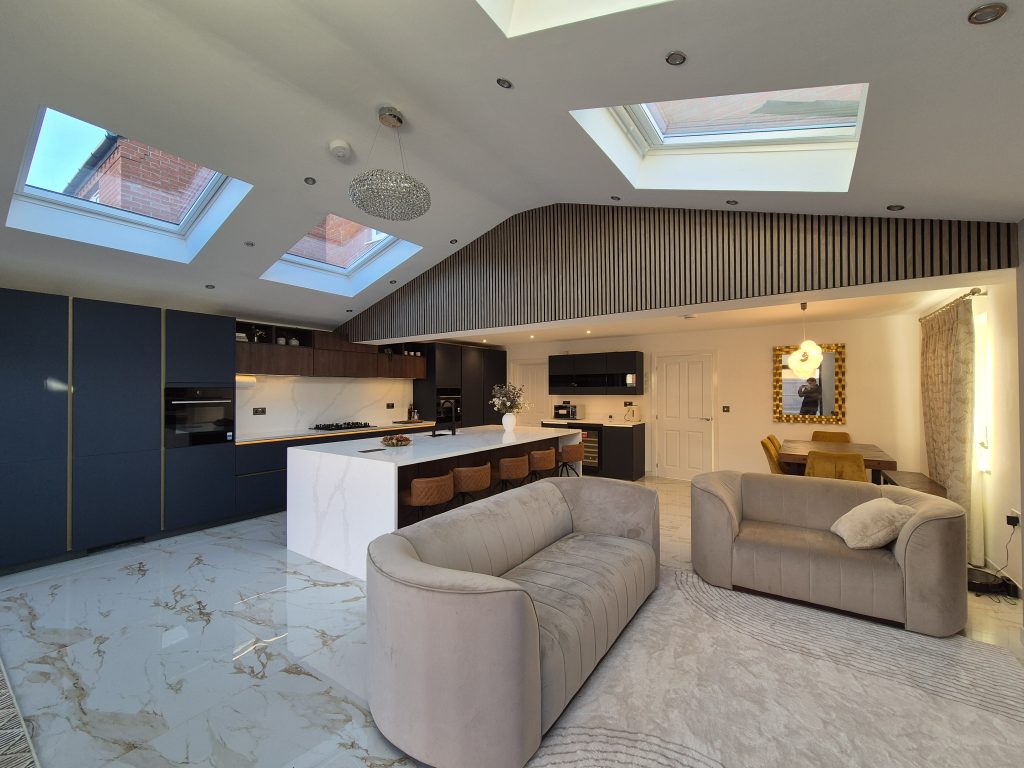
This process is rarely straightforward. A family might request a stunning modern kitchen but also need it to withstand the rigours of children, pets, and daily use. A business owner may want a striking office lobby that makes an impression, yet also requires layouts that foster efficiency and comfort for staff.
Architects must constantly navigate these preferences, identifying the sweet spot where appearance and usability align.
The Role of Aesthetics in Architecture
Aesthetics play a fundamental role in shaping how we perceive and experience spaces. Elements such as proportion, symmetry, natural light, and material choices create an atmosphere that can uplift mood, instil pride, and reinforce identity.
A thoughtfully designed building not only functions well but can also enhance a sense of place and make a lasting impression on those who encounter it.
Moreover, aesthetics often influence the value of a property or development. Homes with harmonious design tend to be more attractive to buyers, while commercial spaces with striking architecture can strengthen a company’s brand.
For architects, visual appeal is not simply decorative—it is part of the building’s cultural and economic significance.
The Demands of Functionality
While aesthetics draw attention, functionality ensures that a building truly works for its users. This includes practical requirements such as safety, comfort, accessibility, and energy efficiency.
Architects must consider building regulations, environmental factors, and how spaces will be used day-to-day. Without functionality, even the most beautiful building risks becoming frustrating or unfit for purpose.
Good examples of functionality can be found in spaces where design serves everyday needs seamlessly. A well-planned kitchen allows for easy movement between cooking areas. An office that reduces noise and maximises natural light boosts productivity.
A public space designed with smooth flow improves accessibility and comfort for all users. These are reminders that architecture must ultimately work for people, not just for appearances.
Where Form Meets Function
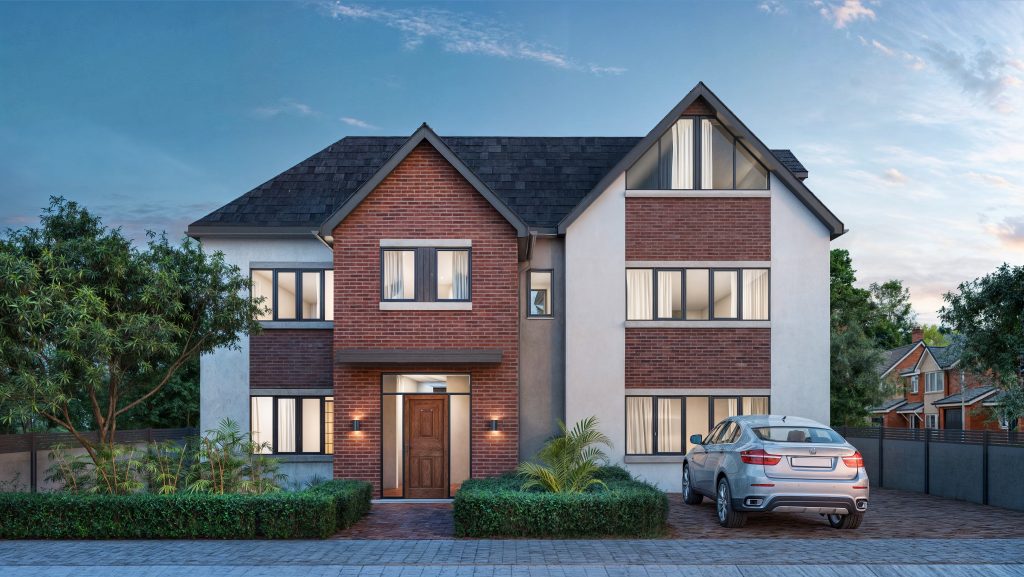
The true skill of architecture lies in merging aesthetic ambition with practical necessity. When form and function meet, the result is both visually pleasing and deeply effective.
Large windows, for instance, can transform a space with natural light while also improving ventilation and reducing reliance on artificial lighting.
Similarly, a staircase may serve as a central design feature while remaining durable and safe.
Multi-purpose solutions often exemplify this balance. Hidden storage within seating, flexible layouts for changing needs, or façades that double as insulation systems all showcase how beauty and practicality can coexist.
In many cases, the most innovative architecture arises precisely from the challenge of combining these seemingly opposing demands.
Challenges in Striking the Balance
Achieving harmony between aesthetics and functionality is rarely simple. Budget constraints can force difficult choices, with some clients opting for visual finishes at the expense of practical systems, or vice versa.
Architects must guide clients through these decisions, ensuring compromises do not undermine the integrity of the design.
There are also technical and regulatory challenges. A client may desire a dramatic feature that is difficult to realise within safety codes, or a minimalist design may conflict with accessibility requirements.
Architects must constantly reconcile ambition with reality, creating solutions that satisfy both beauty and practicality without exceeding limitations.
The Architect’s Skillset
Balancing aesthetics with functionality demands a broad and unique skillset. Architects must be creative problem-solvers, blending artistic vision with technical know-how.
They are trained to consider both the visual impression of a design and its long-term usability. This ability to bridge two worlds is what makes the profession so distinctive.
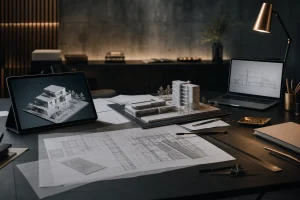
Modern technology has enhanced this skillset. Tools such as 3D modelling, Building Information Modelling (BIM), and virtual reality walkthroughs allow architects to test both the aesthetic and practical qualities of a design before construction begins.
By simulating how a building will look and perform, they can refine solutions that offer the best of both.
Conclusion
Successful architecture is never a question of choosing between beauty and practicality—it is about delivering both.
When architects find the balance, the result is a building that feels effortless: elegant in design yet entirely functional in use. Such spaces bring delight without compromising daily comfort and efficiency.
Ultimately, the mark of great architecture is its ability to serve people in ways that are both seen and unseen.
Only a beautiful building may fail its users, while one that is only functional may lack identity. When the two come together, however, the outcome is timeless, inspiring, and deeply effective.