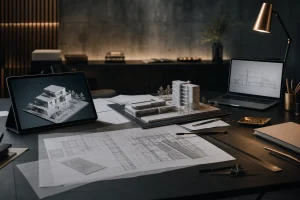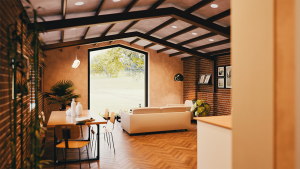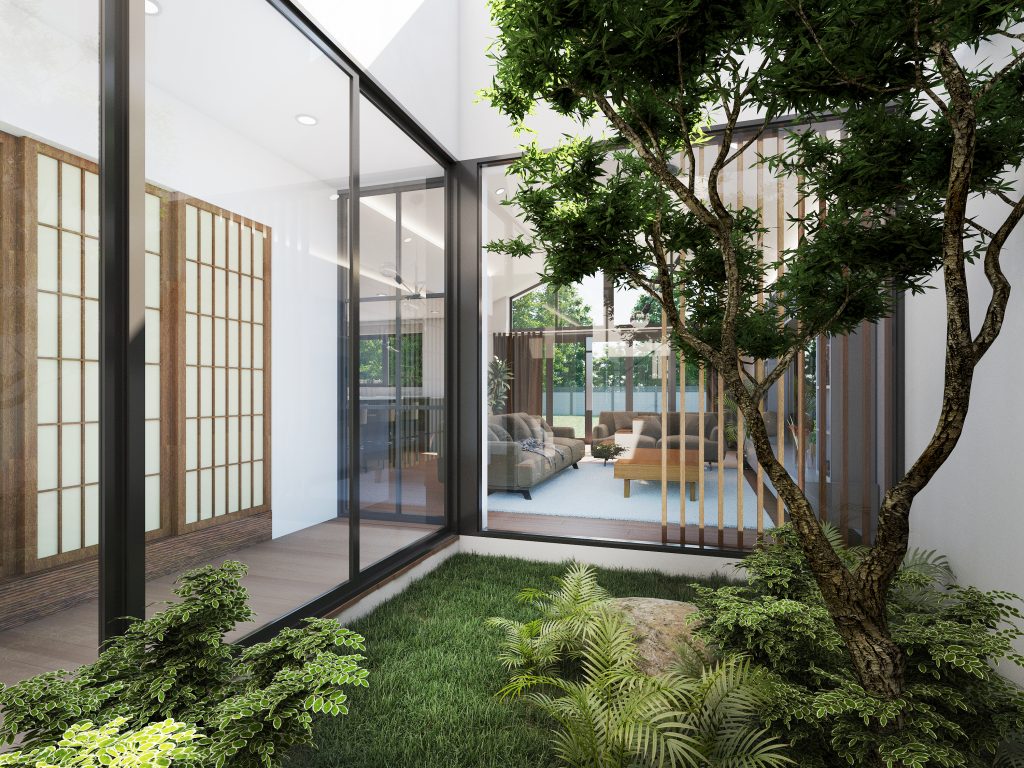
Deciding to involve an architect in your home project can feel like a big step. Whether you’re dreaming of a stylish kitchen extension, a full home renovation, or a new-build design, that first meeting with an architect is where ideas begin to take shape.
Understandably, many homeowners feel unsure about what to expect, but the process is far more approachable than most people realise.
This initial conversation is not a commitment, but rather a chance to explore possibilities, ask questions, and see if there’s a good working relationship. It’s also the perfect moment to get a professional’s perspective on the feasibility of your plans and what steps lie ahead.
In this article, Architects Coventry will walk you through exactly what to expect when you sit down with an architect for the first time.
Understanding the Purpose of the First Meeting
The first meeting is typically a no-obligation consultation. Its primary goal is to get a feel for your project and to discuss your aspirations, needs, and any early ideas you may have.
The architect will also want to learn about the property, its location, and any constraints or special considerations. It’s not about sketching floor plans there and then – it’s about listening, clarifying, and laying the groundwork.
This meeting also works both ways. Just as the architect is assessing your project’s potential, you’re also assessing the architect. Are they listening carefully? Do they communicate clearly?
Do you like their approach and ideas? It’s perfectly normal to meet with more than one architect before deciding who to work with, and this first chat helps you make that informed decision.
What You Should Prepare in Advance
You don’t need to arrive with blueprints, but it does help to come prepared. Having a rough budget in mind, even if it’s just a broad estimate, can give the architect vital context.
If you’ve gathered any inspiration, such as photos, Pinterest boards, or rough sketches, bring them along. These help to communicate your style, layout preferences, and overall vision.
If you have access to any existing documents about your property, such as old plans or measurements, it’s worth sharing those too. And just as importantly, think through your priorities: what do you need from the space?
More light? Better flow? An extra bedroom? A growing family or home-working needs? Writing a brief list of must-haves and nice-to-haves can help focus the discussion.
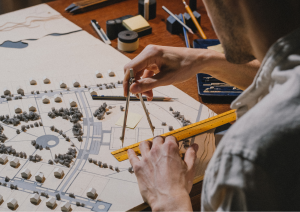
What the Architect Will Want to Know
Architects don’t just design buildings – they design for people. Expect the conversation to focus on how you live day-to-day and how you use your current space. Do you entertain often? Are storage and clutter a constant battle?
How does your home feel during different times of the day or year? These details help the architect tailor solutions that genuinely suit your lifestyle.
They’ll also want to understand your long-term plans. Are you planning to stay in the property for the foreseeable future, or is this a project to add value before selling?
Factors like whether the building is listed, located in a conservation area, or subject to particular planning policies will also come up. These are all things that shape what can be achieved and how the process unfolds.
Topics Likely to Be Covered During the Meeting
During the meeting, your architect will likely offer a broad view of what’s achievable based on your ideas and the site’s constraints.
While no drawings will be made yet, they might outline potential layout options or highlight ideas you hadn’t considered. This is also a chance to get an early sense of design style, priorities, and creative direction.
You’ll also discuss timelines, budgets, and any planning hurdles. They’ll talk you through how planning applications work, especially if your project requires council approval.
Other topics may include structural considerations, sustainability features, and the overall design process, from initial sketches through to completion. It’s a useful overview that sets expectations.
Questions You Should Ask the Architect
You must come away from the meeting feeling informed and confident. Don’t hesitate to ask about the architect’s previous experience – have they worked on similar projects in the local area?
Seeing examples or case studies can help reassure you that they understand the kind of work you’re after and the specific challenges that may come with it.
You might also ask about how they structure their services. For example, do they help with planning submissions? Will they manage the build or stay involved during construction?
What are their thoughts on sustainable design? The answers to these questions not only help you compare architects but also give insight into how collaborative and hands-on their approach is.

What Happens Next?
Following the initial meeting, the architect usually sends you a written proposal outlining their fee structure, services offered, and a summary of what was discussed.
This gives you time to review everything, ask follow-up questions, and decide if you’d like to move forward. There’s no pressure – good architects understand that choosing the right person is a thoughtful process.
If you decide to proceed, the next step is often a measured survey of your home, followed by the concept design phase. This is where your ideas start taking real shape, and sketches or 3D models may be produced.
From there, you’ll move through detailed design, planning submission, technical drawings, and possibly project management – all tailored to your needs.
Conclusion
The first meeting with an architect is where the journey from ideas to reality truly begins. It’s a chance to talk openly, get expert insight, and begin shaping your home improvement dreams into something tangible.
With the right preparation and the right professional, you’ll leave feeling clearer about what’s possible and how to move forward.
So if you’re planning a home extension, renovation or even a brand-new build in Coventry or the surrounding areas, don’t hesitate to reach out.
Book your free initial consultation today – and let’s start turning your draft into a dream.