Green architecture is no longer a niche concept for environmentally conscious developers—it’s becoming a practical and cost-effective approach for everyone.
So what are the financial benefits? From lower utility bills to long-term operational savings, green buildings can benefit homeowners and business operators alike.
This blog will explore how green architecture can save you money and help create a greener, more sustainable future.
What is Green Architecture?
Green architecture is about designing buildings that are environmentally responsible and resource-efficient throughout their lifecycle. This means considering location, orientation, energy use, water efficiency, material selection and the overall ecological impact.
It’s about harmony between architecture and the natural environment with minimal disruption and maximum sustainability.
In the UK, green architecture aligns with government sustainability targets such as Net Zero by 2050. Building standards like BREEAM (Building Research Establishment Environmental Assessment Method) and Passivhaus are well-established benchmarks that encourage architects to design with sustainability in mind.
These standards push developers and property owners towards low-impact choices that reduce carbon footprints and offer potential savings.
Lower Energy Bills Through Smart Design
A major benefit of green architecture is the potential to reduce energy bills.
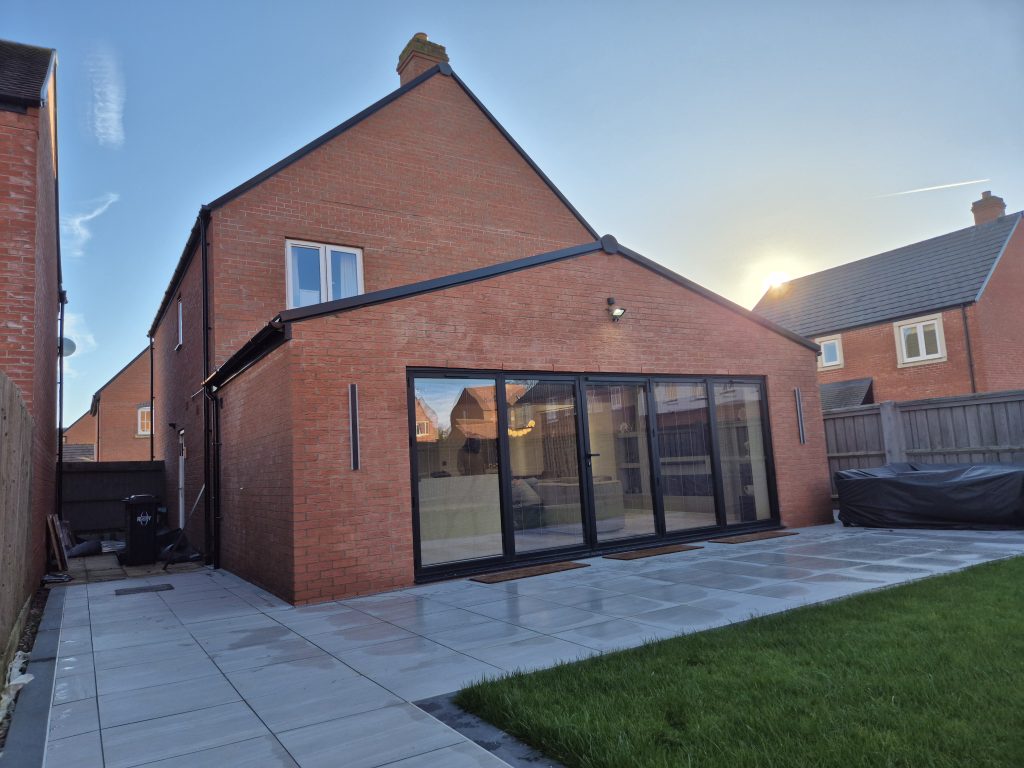
By using intelligent design strategies – such as optimal building orientation, insulation and high-performance glazing – buildings can make better use of natural light and maintain comfortable indoor temperatures with minimal reliance on artificial heating or cooling systems.
For residential homes, this means smaller energy bills each month without compromising comfort.
Adding renewable energy solutions like solar panels or ground source heat pumps reduces energy costs even further. For commercial buildings, businesses operating in green buildings often have lower overheads, particularly when it comes to heating, lighting and ventilation.
Over time, these savings can add up to thousands of pounds, improving the building’s ROI.
Lower Maintenance and Operational Costs
Green buildings are built with durable high quality materials that are designed to last. These materials often require fewer repairs or replacements than conventional options and therefore lower maintenance costs over the lifetime of the building.
For example, sustainably sourced timber and recycled composites are often treated to resist weathering and degradation.
Advanced systems like energy-efficient lighting, smart thermostats and automated building management systems also contribute to operational savings.
These technologies monitor and adjust consumption in real time so systems only run when needed and avoid waste.
Homeowners and business operators can have peace of mind knowing their property is not only energy efficient but cost cost-effective to run.
Water Conservation and Efficiency
In green architecture, water efficiency is just as important as energy conservation. Technologies like low-flow taps, dual flush toilets and efficient irrigation systems reduce unnecessary water usage in homes and commercial buildings.
These features not only preserve one of our most precious resources but also result in savings on water bills over time.
Larger properties can use rainwater harvesting systems and grey water recycling, which repurpose water for non-potable uses like flushing toilets or landscape irrigation.
For commercial spaces like hotels, leisure centres or office buildings, the reduction in water consumption can mean substantial cost savings, especially where water use is high.
Increased Property Value and Marketability
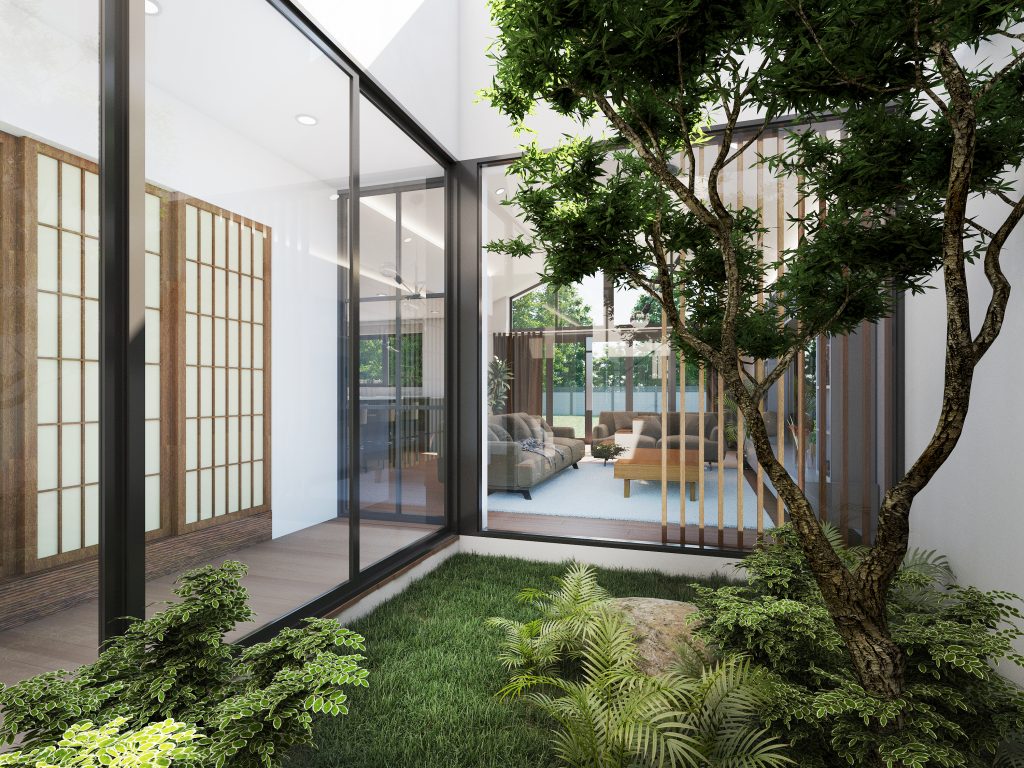
Energy-efficient and eco-friendly properties are increasingly desirable in today’s market, both in the residential and commercial sectors.
Buyers and tenants are more environmentally aware than ever and are looking for homes and workplaces that reflect their values and reduce utility bills. As a result, green buildings often command higher resale values and can be let or sold quicker than traditional buildings.
For landlords and property developers, green credentials can be a major marketing asset. Eco-friendly features not only improve a property’s performance but also its appeal to a growing demographic of green-minded consumers.
In a competitive market, these benefits can make all the difference, especially as more people value sustainable living.
Long Term Financial Gains vs Upfront Investment
Yes, green architecture can cost more upfront, especially when incorporating advanced systems or premium sustainable materials. But the long-term savings far outweigh the early costs.
From lower utility bills to reduced maintenance and operational costs, green buildings save money year after year.
To put this into perspective, consider a traditional home versus a green-certified home over 10 years. While the upfront cost of the green home may be slightly higher, the cumulative savings in energy and water bills and lower maintenance needs often result in a higher overall return on investment.
The same applies to commercial properties where ongoing efficiency can make a big impact on the bottom line.
Conclusion
Green architecture makes a strong case for both financial and environmental benefits. For homeowners, it’s long-term savings and a healthier living environment.
For businesses, it’s a smart investment that reduces operating costs and enhances brand and staff wellbeing.
Ultimately, going green isn’t just a moral choice – it’s a practical one.
Whether you’re building from scratch or retrofitting an existing property, incorporating sustainable design principles is one of the most forward-thinking ways to save money, add value and do good in the world.