With household energy bills continuing to rise, many homeowners are beginning to look more carefully at how their properties use and retain heat.
Passive solar design, which focuses on making the most of natural sunlight and warmth, is gradually becoming part of this conversation.
Rather than relying on complex systems or expensive technology, it works by using thoughtful design choices that appear simple on the surface but can have lasting effects on comfort and running costs.
In the past, passive solar principles were often associated with modern eco-homes or large new developments. However, this is slowly changing.
More people are realising that these ideas can also be applied to traditional British houses, terraces, and bungalows. While it may suggest a major redesign, in reality, many of the benefits come from relatively modest adjustments made at the right stage.
What Is Passive Solar Design and How Does It Work?
At its core, passive solar design is about capturing heat from the sun during the day and releasing it gradually when temperatures fall.
This is achieved through a combination of building orientation, window placement, insulation, and internal layout.
When these elements work together properly, a home can stay warmer for longer without constantly relying on central heating.
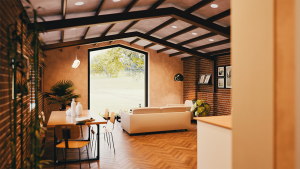
Thermal mass also plays a key role in this process. Materials such as concrete floors, brick walls, and stone surfaces can absorb heat and release it slowly over time.
Alongside this, natural ventilation helps regulate indoor temperatures, especially during warmer months.
Unlike solar panels or heat pumps, passive solar systems do not require mechanical parts, which means there is very little to maintain once they are in place.

Making the Most of Natural Light and Heat
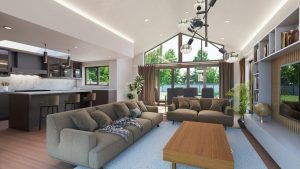
In the UK, south-facing windows tend to receive the most sunlight throughout the day. By positioning main living areas such as lounges and kitchens on this side of the property, homeowners can benefit from natural warmth and daylight.
This not only reduces the need for artificial lighting but also creates brighter, more welcoming spaces.
However, more glass does not always mean better performance. Poorly placed or low-quality windows can lead to heat loss, glare, and discomfort.
For this reason, passive design often involves careful balancing. Shading features, roof overhangs, and high-performance glazing may help control how much sunlight enters the home at different times of year.
Lower Energy Bills Without Relying on Technology
One of the most appealing aspects of passive solar design is its potential to reduce heating costs without complex equipment.
When a home retains heat efficiently, boilers and radiators are used less frequently. Over time, this can lead to noticeable savings, especially during colder months.
While results vary depending on property type and location, many households see gradual reductions in energy use. Even small improvements, such as better insulation or upgraded glazing, may contribute to lower bills.
The key difference is that these savings are built into the home’s structure rather than relying on systems that may need replacing.
Improved Comfort Throughout the Year
Homes designed with passive solar principles often feel more consistent in temperature. Instead of experiencing cold mornings and overheated afternoons, residents are more likely to enjoy steady indoor conditions.
This can make everyday life more comfortable, particularly for families, older occupants, or those working from home.
Better temperature control also helps reduce common issues such as condensation and damp. Improved airflow and balanced heating may lead to healthier living environments.
Over time, these subtle improvements can make a noticeable difference to how a property feels and functions.
Supporting Environmental Goals and Sustainability
Reducing energy consumption plays an important role in lowering carbon emissions. Passive solar design supports this by cutting reliance on fossil fuels and electrical heating systems.
For homeowners who are conscious of their environmental impact, this approach offers a practical way to contribute without major lifestyle changes.
It also aligns with wider national goals around sustainability and net zero targets. As regulations continue to evolve, properties that already perform well in terms of energy efficiency may hold greater long-term value.
This may become increasingly relevant when selling or upgrading a home in the future.
Retrofitting Passive Solar Features in Existing Homes
Many British properties were built long before energy efficiency became a priority. Despite this, older homes can still benefit from passive solar upgrades.
Improvements such as secondary glazing, cavity wall insulation, and draught-proofing may enhance heat retention without altering the building’s character.
Reconfiguring internal layouts can also help, although this is usually more suitable during renovations or extensions.
Moving frequently used rooms towards sunnier areas of the house may improve comfort and reduce heating needs. While not every property can be fully optimised, most can achieve partial benefits.
Planning and Design Considerations in the UK
Any significant alterations must comply with planning rules and building regulations. This is particularly important for listed buildings or homes in conservation areas, where changes to windows and façades may be restricted.
Understanding these requirements early on can prevent delays and unexpected costs.
Site conditions also influence the effectiveness of passive solar design. Nearby buildings, trees, and terrain may limit sunlight exposure.
In such cases, professional assessment may help identify realistic opportunities and avoid investments that are unlikely to deliver strong results.
Common Challenges and Misconceptions
Some homeowners assume that passive solar design is expensive or only suitable for luxury builds.
In reality, many elements are relatively affordable when included in planned renovations. Costs often depend more on timing and integration than on specialist materials.
There are also concerns about overheating in summer or excessive glare from large windows. While these risks exist, they are usually linked to poor design rather than the concept itself.
With appropriate shading and ventilation, most of these issues can be managed effectively.
Is Passive Solar Design Right for Your Home?
Deciding whether this approach is suitable involves considering several factors. Property orientation, available budget, and long-term plans all play a part.
Homes that are already undergoing refurbishment may find it easier to incorporate passive features than those requiring minimal changes.
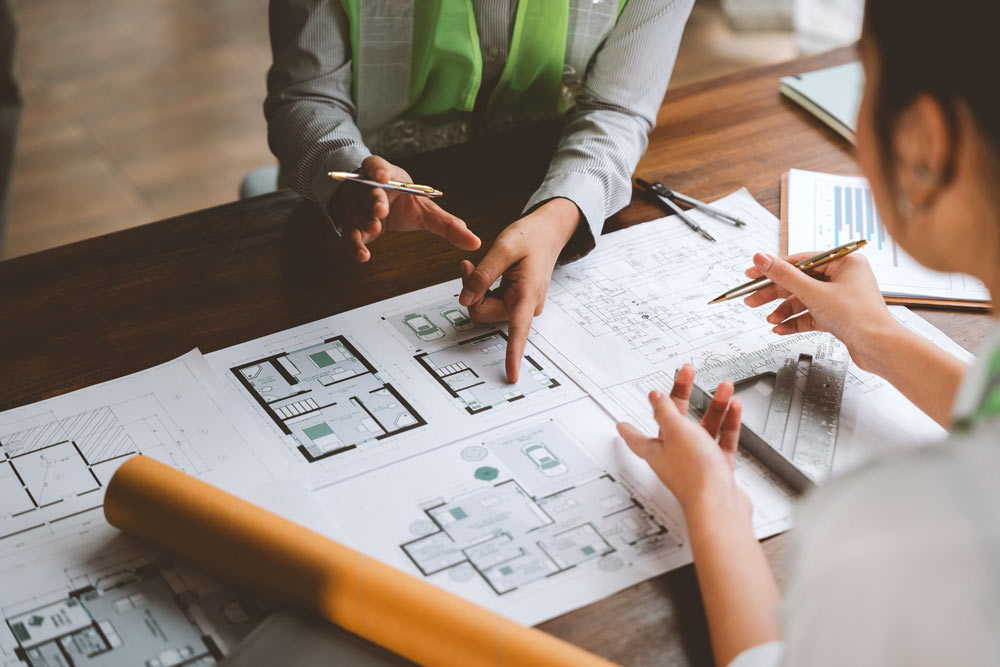
It may also be helpful to seek professional advice before committing to major alterations. An experienced designer or architect, like Paragon Architects, can assess how much benefit is likely to be achieved.
This can prevent unrealistic expectations and ensure that improvements align with wider property goals.

Conclusion
Passive solar design offers more than just lower energy bills. It encourages a more thoughtful relationship between buildings and their environment.
By working with natural light and heat rather than against them, homes can become more comfortable and resilient over time.
While it may not be suitable for every property, many British homes can gain at least some advantage from these principles.
Whether through small upgrades or larger redesigns, passive solar design represents a practical, forward-looking approach to modern living that continues to grow in relevance.